
 Telehealth
 Blog
Blog
 reception@insideouttherapy.com.au
Navigating Life Transition: Demonstrating the Pivotal Role of Longstanding Occupational Therapy in Teen and Family Wellbeing and Functioning.
In June 2024, our team presented the findings of an in-house research study at the National Occupational Therapy XChange (OTX) Conference in Perth. The study explored how longstanding, responsive and relationship-based occupational therapy supports adolescents and their families through one of life’s most pivotal stages, and the results were striking.

Why we did this research
Adolescence is a time of significant physical, psychological and social change. Research tells us that around 50% of mental health disorders manifest by age 14, and that this cohort needs flexible, responsive support during the years their identities, relationships and independence are taking shape.
Yet there is a well-documented “gap” in Australian health services for young people. Child development services typically cease around age 12–16, while adult health services begin at 18. Child and Adolescent Mental Health Services apply exclusion criteria around diagnosis, risk and co-morbidity. The result is that many adolescents and families are navigating this rapid life transition with minimal continuity of care.
At Inside Out Occupational Therapy Group, we have built our service around bridging this gap through a longstanding, responsive and relationship-based model of care. We wanted to understand, through the voices of the young people and families we work with, what difference this model actually makes.
The Inside Out care framework
Three principles sit at the heart of how we work:
Decades of OT research support each of these principles. The therapeutic relationship has been shown to significantly impact the effectiveness of therapy (Palmadottir, 2006), and parents have consistently raised concerns about therapist turnover, having to retell their story, and the uncertainty of continuing care when their child exits early-intervention services (Ziviani et al., 2014).
About the study
We used a mixed-method approach combining interviews, questionnaires and clinical data analysis. We then evaluated the impact on mental health, socialisation and family connectedness.
Finding 1: A responsive approach
Our occupational therapists are trained to address a wide range of performance areas. We grouped these into 24 intervention categories. Across the study, every single participant (100%) reported working on 12 or more of these areas, powerful evidence of how broad and shifting the needs of adolescence really are.
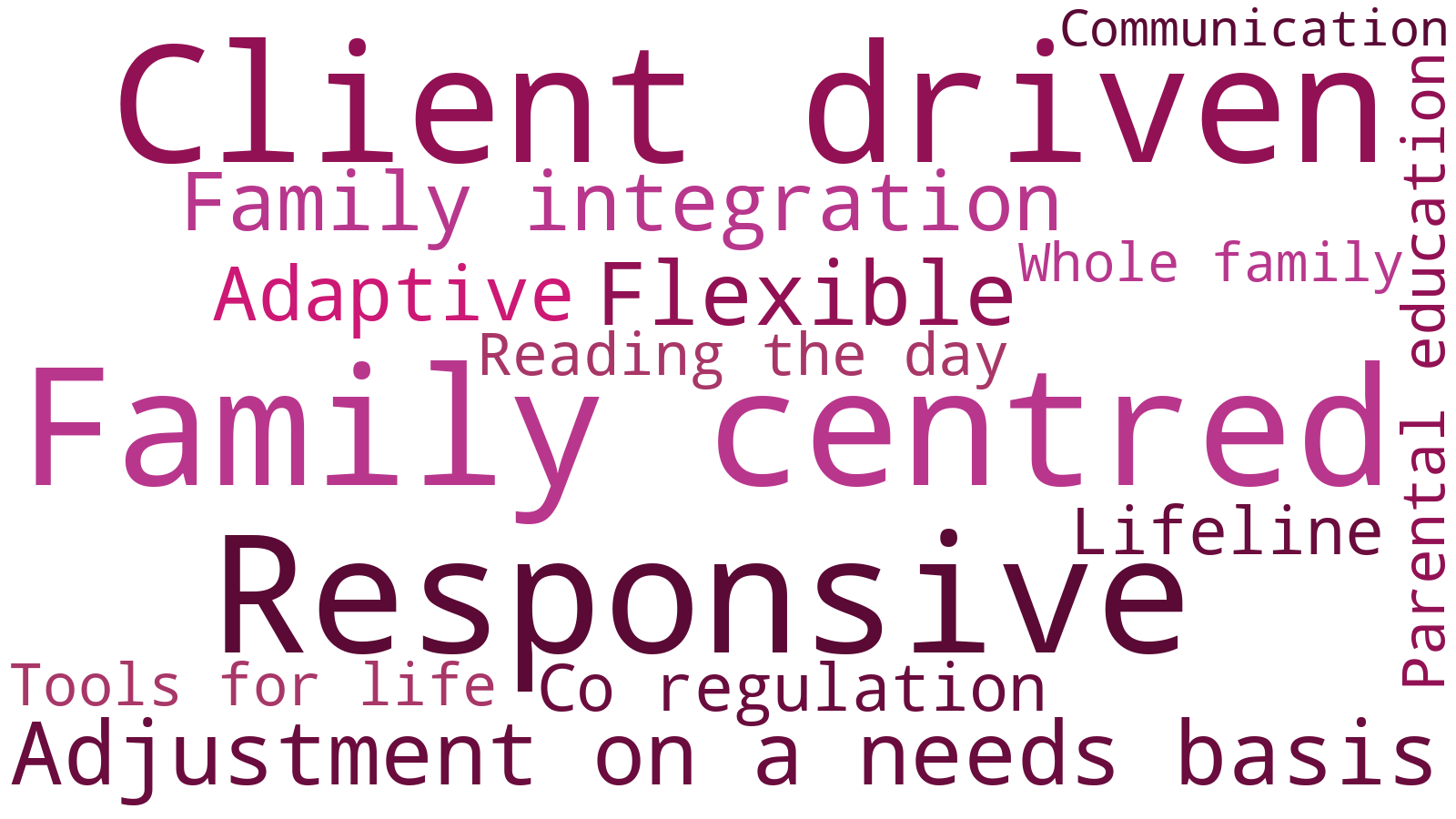
“As the kids grow, it is a journey; things change all the time, and they learn one thing, and then it is the next thing they need to learn. It is great that OT can be flexible like that.”
Feedback received during our research study“Our OT is great in reading the day, where the kids are at, and adapting to that.”
Feedback received during our research study“A lifeline for my son and myself, not only gave my son the tools to deal with life but also myself, and how to deal and communicate even on the hardest days.”
Feedback received during our research study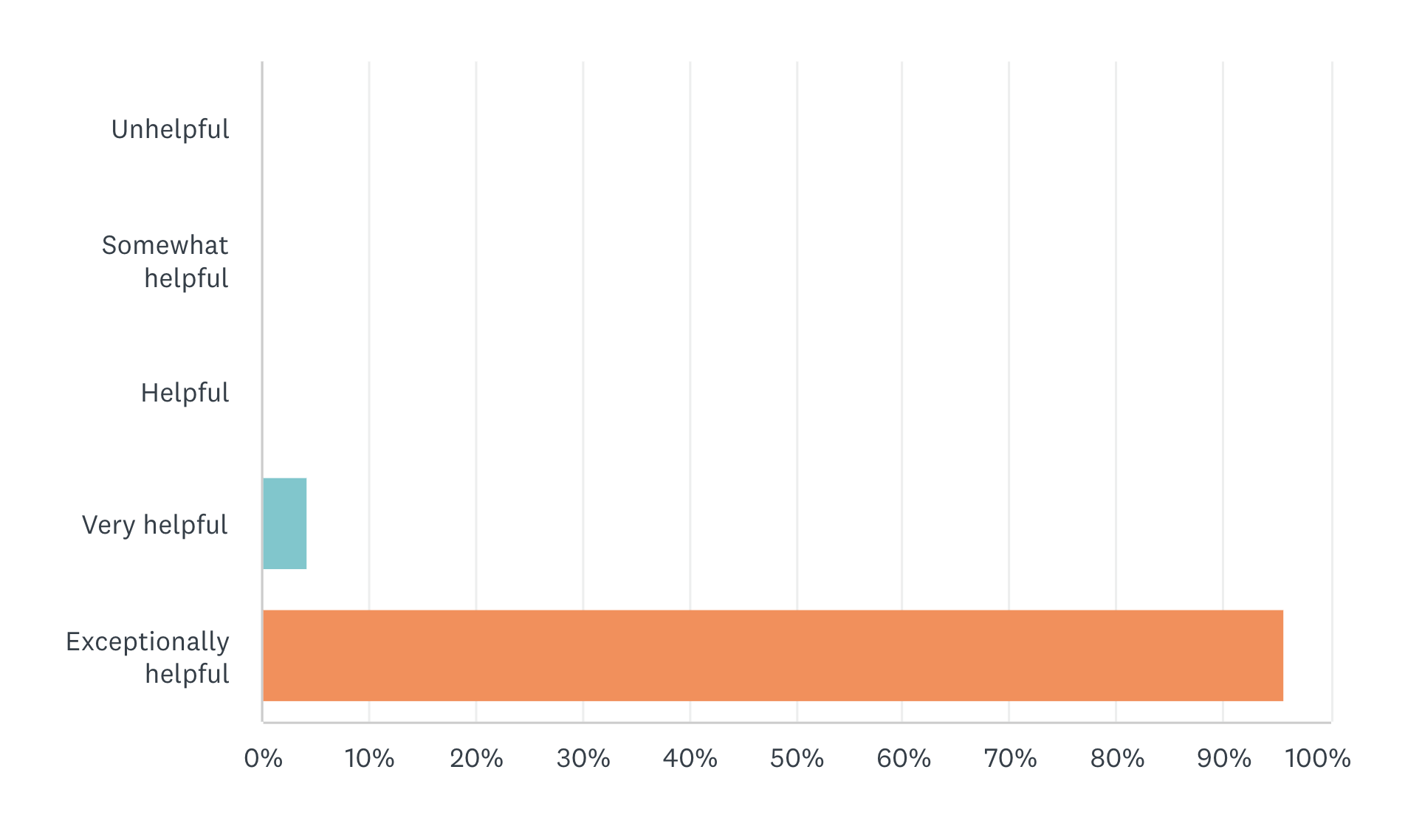
Finding 2: A longstanding approach
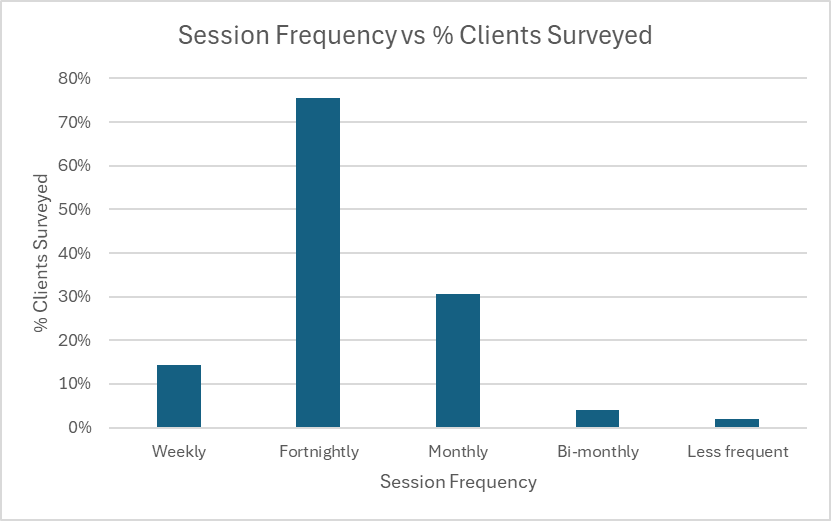
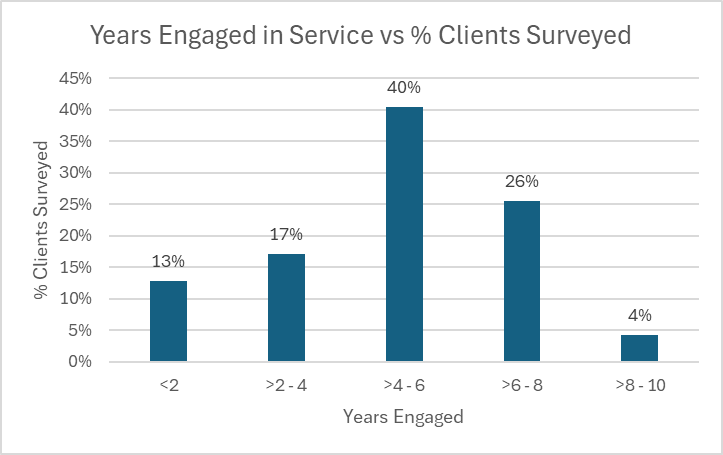
The duration and consistency of OT support emerged as a defining factor in family experience. Most of the families in our study had attended fortnightly or as-needed sessions, often over a span of 4–8 years.
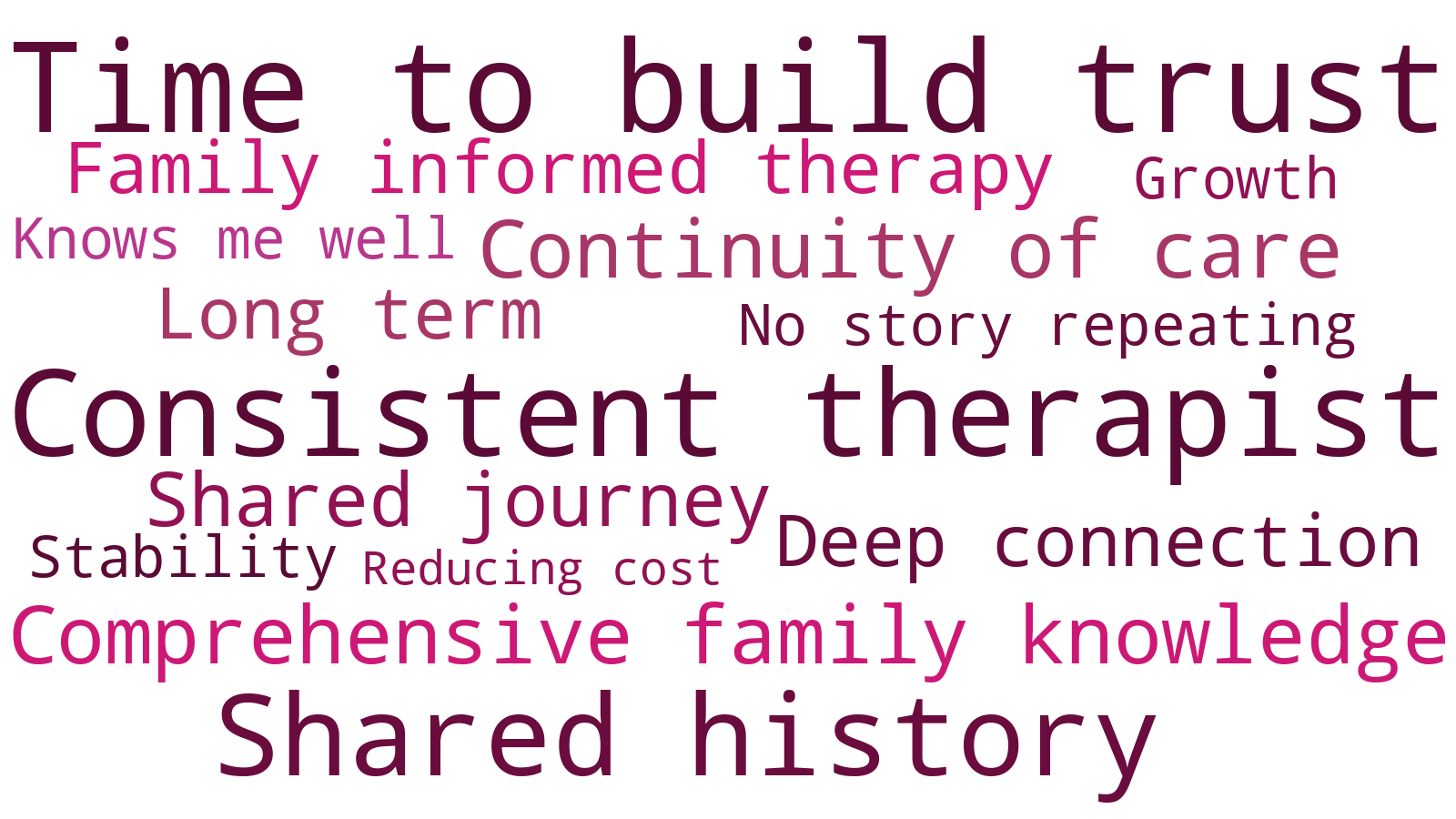
“Having a consistent therapist has enabled significant growth in my child’s life.”
Feedback received during our research study“Consistency has been incredibly important. Relationships and shared knowledge of history and development make a huge difference in the level of connection, support and advocacy.”
Feedback received during our research study“I’ve known her for so long, she just knows me well. She gets me.”
Feedback received from a teen participant in our research study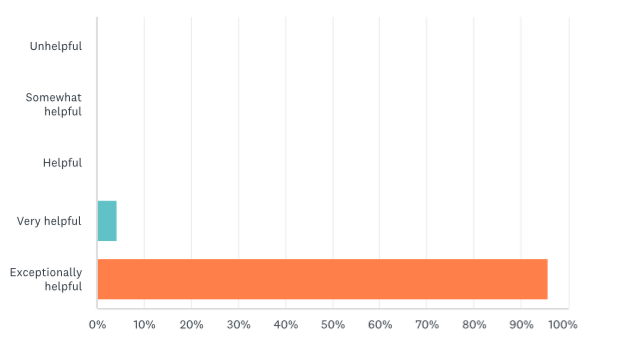
Finding 3: A relational approach
Of all the themes that emerged through the qualitative interviews, the strength of the therapeutic relationship was the most consistently reported. Many families described their OT as an extension of their family, and emphasised themes of trust, respect, connection and care.
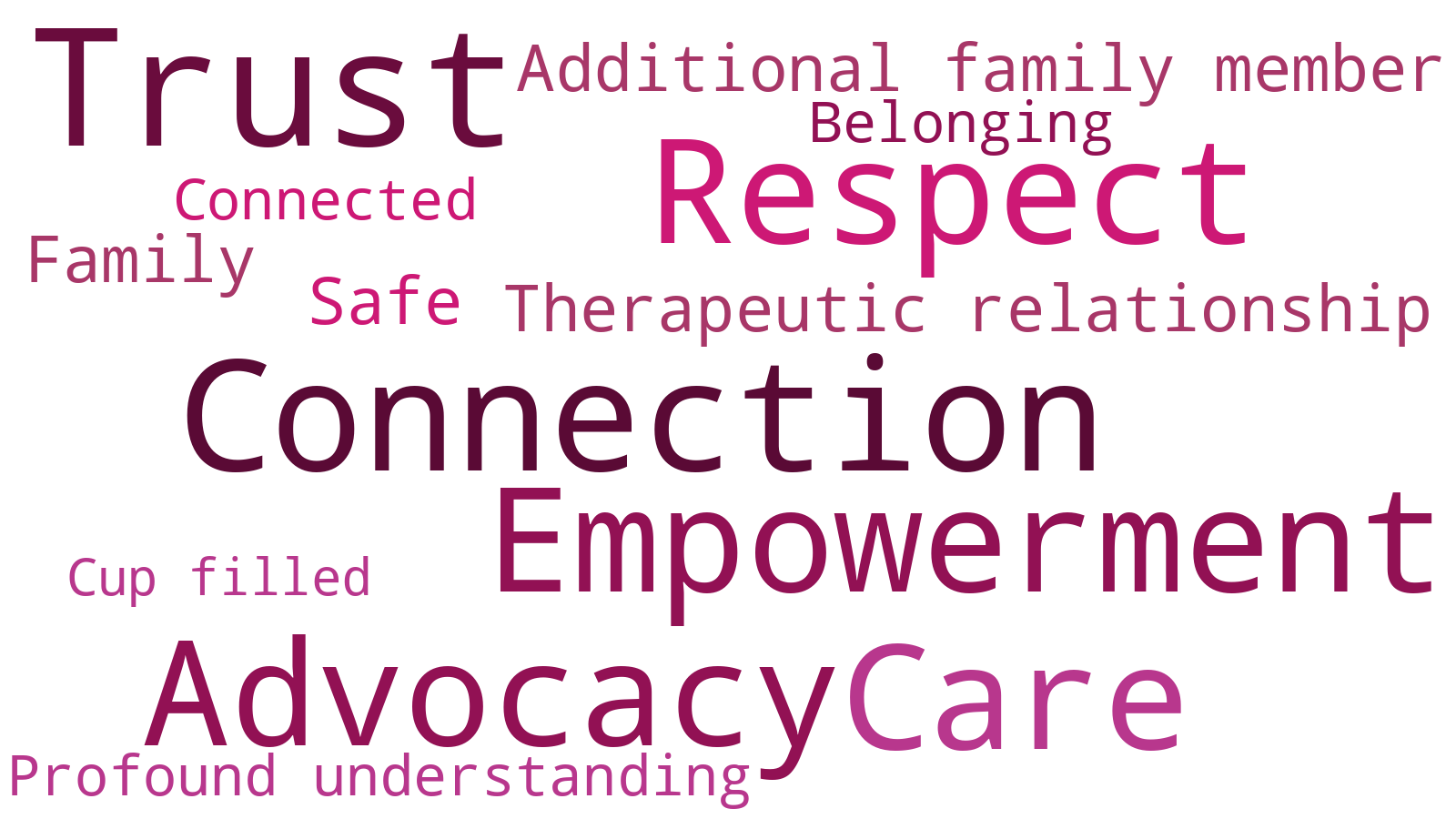
“Our OT is like a member of our family.”
Feedback received during our research study“Our child felt safe, respected, cared for and trusted his OT to provide advice and strategies that would help him.”
Feedback received during our research study“Our child feels deeply connected to his OT. He values every opportunity he has to meet with them and always has his cup filled after doing so.”
Feedback received during our research study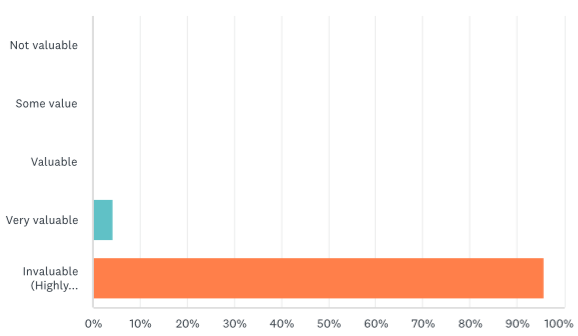
The benefits we measured
This longstanding, responsive and relationship-based approach showed significant therapeutic benefits for the adolescents and families involved in the study. Both the qualitative and quantitative data pointed strongly to four areas of impact:
Every adolescent in our study reported working on mental health goals during their time with us, an important reflection of how central this is for the cohort. Families also reported improvements in sibling and parent–child communication, and in feeling informed and confident when navigating schools and other services.
Barriers we identified
The study also surfaced honest reflection on the limits of the current Australian funding landscape. Many adolescents and families are not eligible for the NDIS, and Medicare rebates through the Better Access to Mental Health Care Scheme and Enhanced Primary Care Scheme cover only a limited number of sessions per year. Rising cost of living adds further pressure. These constraints can interrupt longstanding therapeutic relationships at precisely the moment a young person most needs continuity.
Key takeaways: bridging the gap
- Adolescence is marked by rapid change. There is a real, observable gap where child services typically cease and adult services start, and that gap costs families monitoring, management and support during a critical period.
- 100% of adolescents in our study worked on 12 or more areas of intervention. Therapists supporting this cohort need to be responsive and broadly trained.
- The most common areas of intervention focused on social and emotional skills, these become increasingly important as a young person develops.
- Meaningful intervention rests on strong therapeutic relationships, and strong therapeutic relationships are built over time.
- Services for adolescents should prioritise longer-term involvement, therapist consistency and stability, and breadth of training across the areas this cohort needs.
Read the full research presentation
The full study presented at the OTX National Conference is available as a free download from our Resources section. We hope it’s useful for other clinicians, families, schools and funders thinking about how best to support adolescents through life transitions.
From the conference
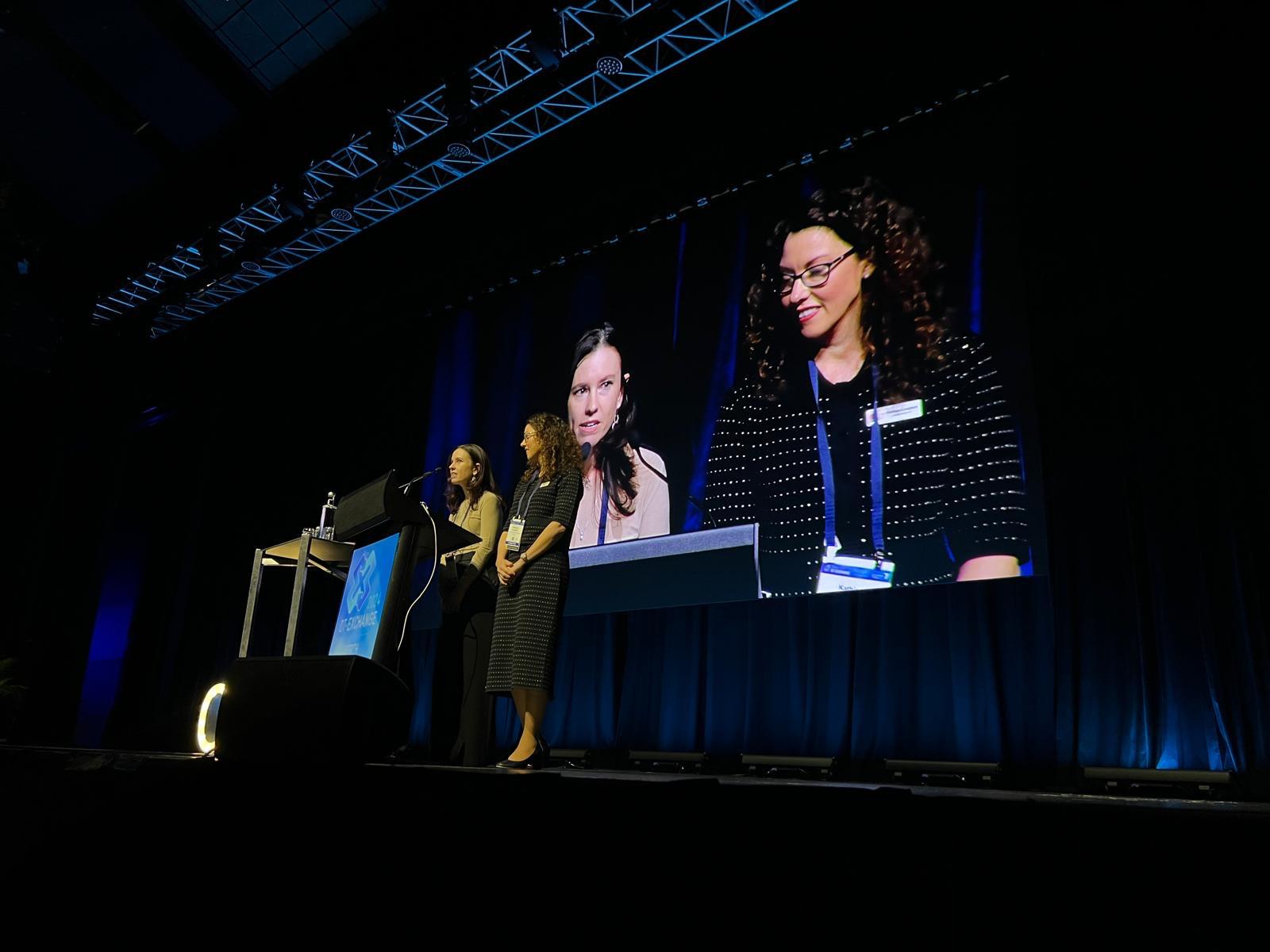


© Inside Out Occupational Therapy Group Pty Ltd. Presented at the National Occupational Therapy XChange Conference, Perth, Western Australia, June 2024.